



דף הבית > Luna - An Invisible Survivor from Thessloniki
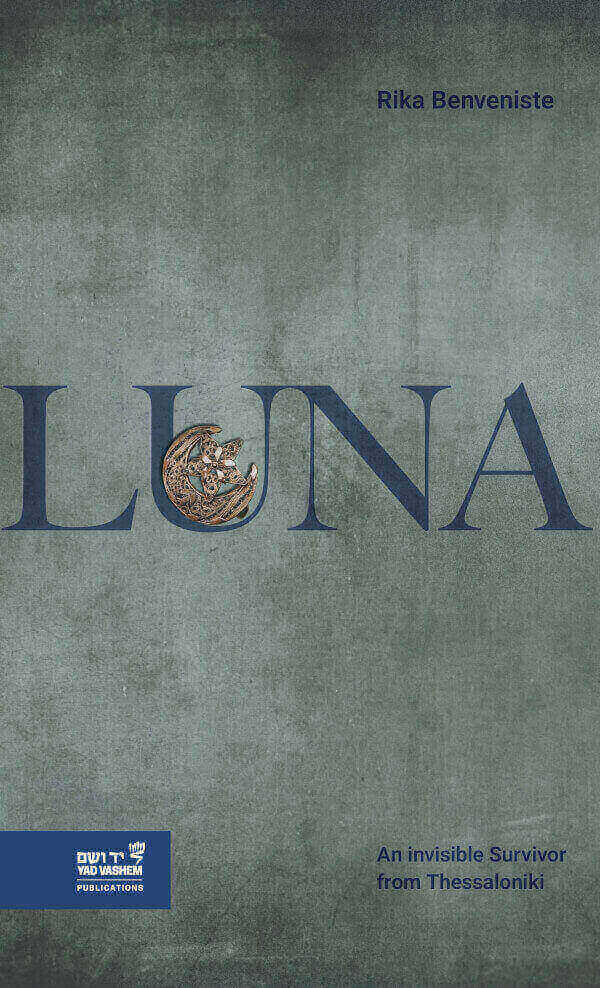
Luna - An Invisible Survivor from Thessloniki
תקציר
Aunt Luna returned from Auschwitz. Her husband did not, nor did any of her
other relatives.... Luna spoke Greek with a strong accent and many mistakes,
which sometimes inwardly embarrassed me and on other occasions amused
me.... Her language was definitely Judeo-Spanish. I did not know then that it
was also the language of all those who did not return.
………………………………………………………………………………………………………………………….
Many memoirs and studies have been published in the decades following
the Holocaust, telling incredible stories of suffering, victimhood, survival, and
heroism. Most of these texts were written by people with a higher education
and reflect their perspective, eloquence, and experiences after the war, whereas
survivors who lived modest, traditional lives are often overlooked.
Luna Gatenio was one of those people. Born and raised in the Jewish community
of Thessaloniki, she relied on her hands and vocational skills to make a living.
She spoke Judeo-Spanish, the language of her once-thriving community, but
remained illiterate and poor throughout her life.
The lives of invisibles like Luna leave few textual traces behind. No collection
of letters, no diary, no autobiography or memoir tell her story. Few documents
record her deportation, her survival in Auschwitz and Bergen-Belsen, the agony
caused by the medical experiments performed on her, or the loss of almost her
entire family. Luna’s memory lived in the hearts and minds of the people who
knew her and whose lives she touched. Had it not been preserved, this memory
would have perished with their passing.
In Luna, Rika Benveniste has erected a written monument to the invisible
woman she knew. Luna’s story sheds light on a part of Thessaloniki’s Jewish
history that has often been overlooked by researchers, offering a glimpse into
a world that was almost completely destroyed.
other relatives.... Luna spoke Greek with a strong accent and many mistakes,
which sometimes inwardly embarrassed me and on other occasions amused
me.... Her language was definitely Judeo-Spanish. I did not know then that it
was also the language of all those who did not return.
………………………………………………………………………………………………………………………….
Many memoirs and studies have been published in the decades following
the Holocaust, telling incredible stories of suffering, victimhood, survival, and
heroism. Most of these texts were written by people with a higher education
and reflect their perspective, eloquence, and experiences after the war, whereas
survivors who lived modest, traditional lives are often overlooked.
Luna Gatenio was one of those people. Born and raised in the Jewish community
of Thessaloniki, she relied on her hands and vocational skills to make a living.
She spoke Judeo-Spanish, the language of her once-thriving community, but
remained illiterate and poor throughout her life.
The lives of invisibles like Luna leave few textual traces behind. No collection
of letters, no diary, no autobiography or memoir tell her story. Few documents
record her deportation, her survival in Auschwitz and Bergen-Belsen, the agony
caused by the medical experiments performed on her, or the loss of almost her
entire family. Luna’s memory lived in the hearts and minds of the people who
knew her and whose lives she touched. Had it not been preserved, this memory
would have perished with their passing.
In Luna, Rika Benveniste has erected a written monument to the invisible
woman she knew. Luna’s story sheds light on a part of Thessaloniki’s Jewish
history that has often been overlooked by researchers, offering a glimpse into
a world that was almost completely destroyed.
0 ביקורות